
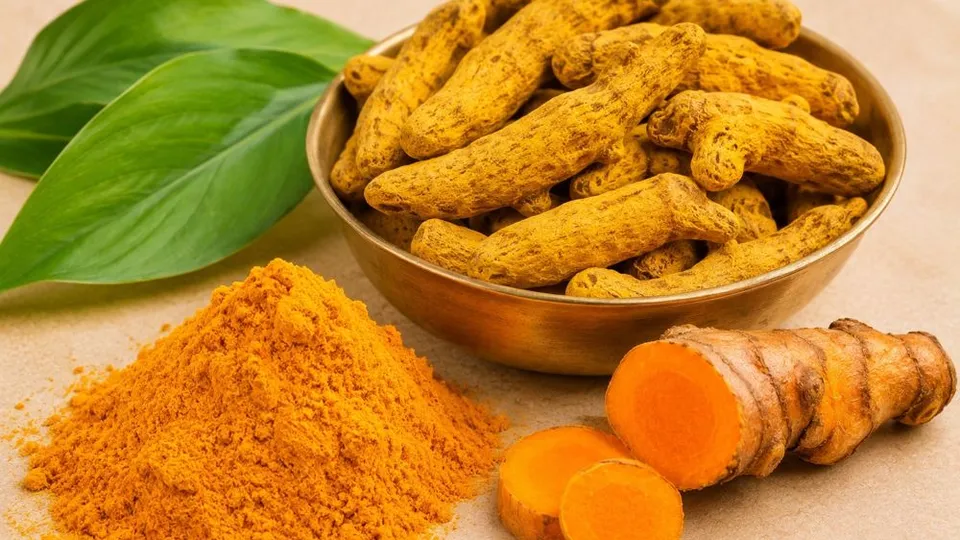
There is hardly a kitchen in India without turmeric (haldi). Colour for dal and sabzi, haldi doodh (turmeric milk) in winter, or the old remedy of putting turmeric on a burn - turmeric is everywhere. These days "turmeric capsules" and "curcumin" are also selling a lot in the market.
But is turmeric equally safe in every form? This article gives you the plain, honest truth about turmeric benefits, dosage and who should be careful. Where the evidence is weak, we will say so clearly.
What is turmeric, and which one is the real turmeric?
In Hindi it is called haldi; in English it is Turmeric, and its botanical name is Curcuma longa. The useful part is the underground knob (rhizome), which is dried and ground. The main active compound in turmeric is called curcumin.
Note: amba haldi (mango ginger) and kali haldi (black turmeric) are different plants - do not mistake them for ordinary turmeric.
What are the benefits of turmeric - how much evidence is there really?
- Everyday cooking spice and colour - this is its oldest and most reliable use.
- Traditionally for digestion - it has long been used for indigestion, gas and a heavy stomach.
- Some research signals for knee pain and indigestion - there are a few small studies in humans, so the evidence is considered "limited".
- Haldi doodh (turmeric milk) for colds - this is tradition, not treatment.
The most important point in one line: turmeric in food is safe, but cases of liver damage have been reported with strong curcumin "supplements". In other words, do not treat kitchen turmeric and capsule turmeric as the same thing.
How much turmeric should you take?
Always remember one rule - a food amount and a medicine dose are two different things. There is a big difference between the turmeric added to dal and sabzi and a curcumin pill taken every day. Something that is safe in the kitchen can be dangerous in a capsule.
That is why this article deliberately does not give a medicine-like dose. The amount of turmeric you have always used in cooking is fine. If you feel like taking a supplement or capsule, ask a doctor first.
| Form of turmeric | What is fine | Keep in mind |
|---|---|---|
| Dal, sabzi, spice in food | Safe | Sealed pack, or ground from whole knobs |
| Haldi doodh (turmeric milk) | Tradition - a food-level amount of turmeric | Not a cure for colds |
| Curcumin supplement / capsule | Not without asking a doctor | Cases of liver damage reported |
| For children | Spice in food is fine | Not as a medicine |
Who should be careful with turmeric?
Does turmeric work for knee pain?
Knee wear and tear is very common after the age of 45, and many people take turmeric or curcumin for it. The truth is that turmeric (curcumin) shows some signals for knee pain, but the evidence is limited - and there are also cases of liver damage from strong supplements.
What really works better is this:
- Daily thigh-strengthening exercises, walking, cycling.
- Losing weight - every 1 kg of weight lost takes about 4 kg of load off the knee while walking.
- Hot or cold compresses and the right shoes.
- A plan made by a doctor or physiotherapist.
And do not waste money on "knee grease" capsules or unnamed "herbal painkillers" - many have been found to contain hidden steroids.
Should you put turmeric on your face or on a burn?
No turmeric on burns. For a minor burn, first run cool running water over it for 20 minutes - not ice. Do not put ghee, toothpaste, flour (atta) or turmeric on a burn. A burn bigger than your palm; a burn on the face, hands, private parts or a joint; many blisters, or skin that turns white/black - go straight to a doctor.
Turmeric paste on pimples - the evidence for this is weak, and it can leave stains or colour on the skin or cause irritation. A mild face wash 2 times a day and not touching the pimples is more useful.
How to spot real turmeric at the pansari (spice shop)?
- If possible, buy whole turmeric knobs and get them ground at home or in front of you - powder is adulterated more often.
- If you buy powder, buy it sealed, with an FSSAI licence number.
- A very bright, "shiny" yellow colour is a reason to be suspicious.
- Common adulteration methods: artificial colour on whole knobs, and colour, soil or starch in powder.
Home tests can catch turmeric that releases colour, but heavy metals like lead, and pesticides cannot be detected at home. For these, rely only on the brand, licence and seal. To complain, use FSSAI's Food Safety Connect app or the toll-free number 1800-112-100.
Keep turmeric in an airtight container, away from sunlight and moisture. Powder goes stale quickly, so get only 1-2 months' worth ground at a time and never put a wet spoon in it. If the colour fades, the aroma goes dull or you see weevils, replace it.
The bottom line
Turmeric benefits, dosage and who should be careful - the essence is simply this: eat kitchen turmeric freely, but do not take curcumin capsules thinking they are "just turmeric", especially if you have liver disease, are pregnant or take blood-thinning medicine. Correct identification of 46 pansari items, how to avoid adulteration, and the precautions for each one - all in one place in the book "Pansari Ki Potli".
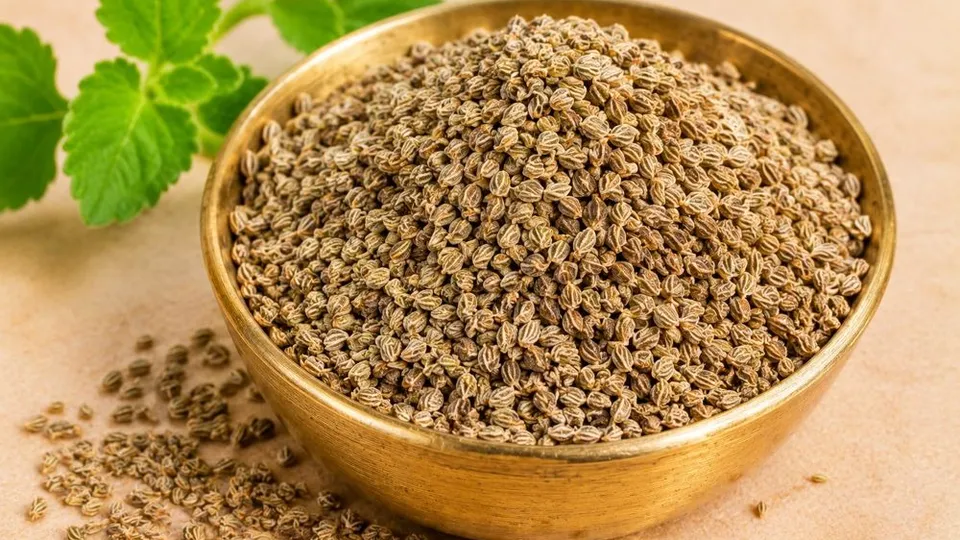 Ajwain Benefits, Dosage & Precautions: The Truth, Who Should Avoid It
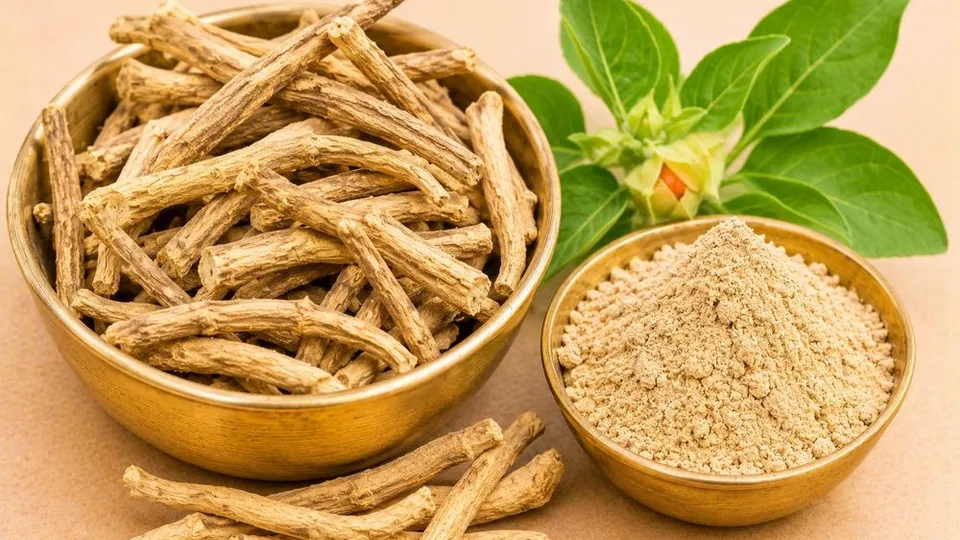 Ashwagandha: Benefits, Dosage and Who Should Not Take It - The Truth
 How to Take Isabgol: Right Way, How Much, Water Rule & Precautions
