
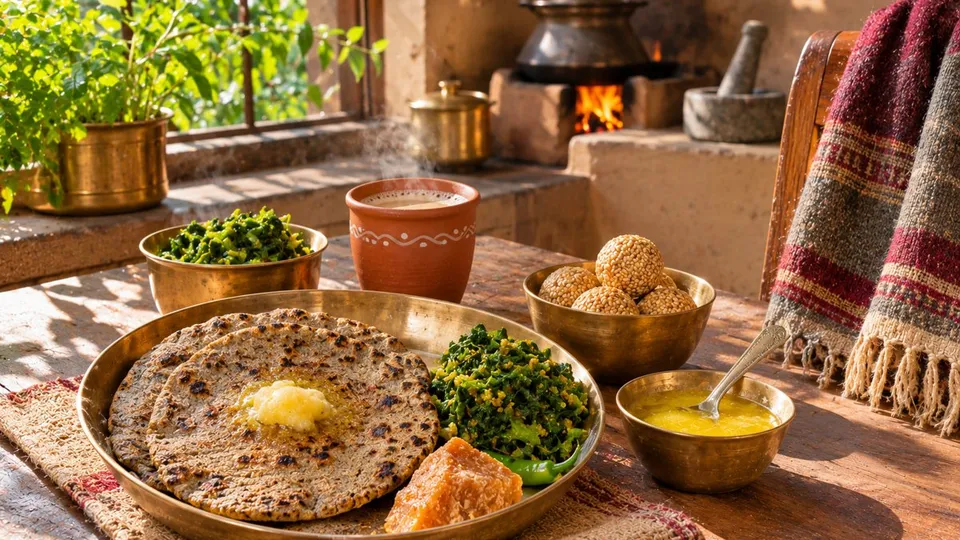
As soon as the cold sets in, appetite goes up, carrots, peas and methi start showing up in the market, and talk of jaggery and sesame begins at home. Our grandmothers did all this by watching the season - and Ayurveda calls this ritucharya, that is, changing what you eat and drink and your daily routine according to the season.
In this article you will learn what to eat in winter and what to cut down on, what the body asks for in Hemanta and Shishira, what you can do at home for common winter troubles - and when to drop home remedies and go straight to a doctor.
When are Hemanta and Shishira?
Ayurveda divides the year into 6 seasons. Two of them are winter seasons. The months are approximate - in the hills, on the coast or in the desert the weather can come earlier or later, so go by the weather in your own area more than by the calendar.
| Season | Months (approx.) | What happens in the body |
|---|---|---|
| Hemanta | Margashirsha-Paush · mid-November to mid-January | Start of the cold; agni (digestive power) at its strongest; the season to build strength |
| Shishira | Magh-Phalgun · mid-January to mid-March | Bitter cold and dryness; Kapha starts building up in the body, agni is still good |
Why do we feel hungrier in winter?
According to Ayurveda, Varsha, Sharad and Hemanta are "Visarga kala" - the time when the body's strength returns. That is why we feel weak in summer and very hungry in winter. Agni is considered strongest in Hemanta, which means the body digests nourishing food well.
This does not mean you can eat anything, in any amount, in winter. It only means that in this season going hungry or eating very light is not right - the body needs nourishment, but in the right amount.
What to eat in Hemanta (November-January)?
- Nourishing food - milk, ghee, dals, urad
- Jaggery, sesame, dry fruits - a little at a time
- Seasonal vegetables - carrot, methi, spinach, peas
- Amla
Cut down on: going hungry, eating very light, cold and dry food, and staying up late at night. In your daily routine: oil massage, sunlight, more exercise and bathing with lukewarm water - this is the advice for Hemanta.
What to eat in Shishira (January-March)?
- Warm, nourishing food - wheat, bajra, dals
- Jaggery, sesame, peanuts
- Ghee and oil - a little
- Ginger, dry ginger (sonth), black pepper - in your food
Cut down on: cold, dry, stale food; eating very light or going hungry; and going out in cold wind without covering up. Keep up oil massage, sunlight and exercise, and cover your head and ears along with wearing warm clothes.
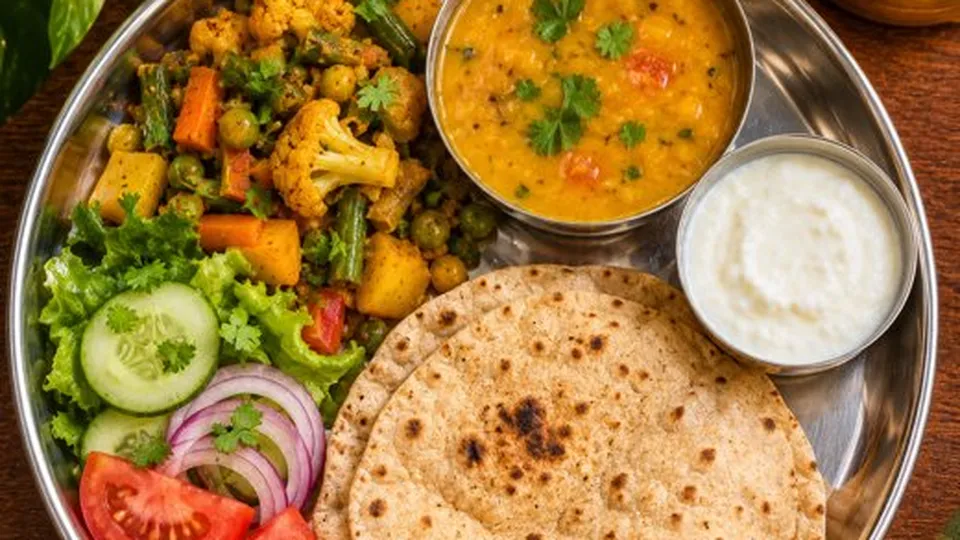
What should a winter plate look like?
The "Today's Plate" given in the book stays the same in winter too, only the vegetables and grains change with the season:
- Half the plate seasonal vegetables and salad - carrot, methi, spinach, peas
- A quarter dal, chana, rajma, curd, paneer or egg
- A quarter roti/rice - whole grains, bajra, jowar
- Along with it a little ghee and a chutney, lemon on the salad
Some eating rules are even more useful in winter: food should be fresh and hot, with less reheated or stale food; a little lukewarm water during the meal, not a full glass of cold water at once; and a light dinner, 2-3 hours before sleep. Not eating curd at night is traditional advice - it is considered to increase Kapha, so avoid it especially when you have a cold or cough.
Winter routine: oil massage, sunlight and exercise
- Oil massage (abhyanga): 2-3 times a week, 15-20 minutes before bathing, with lukewarm sesame, mustard or coconut oil. For dry skin its benefit is considered to have "moderate" evidence, and it also calms the mind.
- Sunlight: getting sunlight is part of the daily routine in both Hemanta and Shishira.
- Exercise "up to half your strength": Charaka's rule - sweat on the forehead and armpits, but don't pant. For adults, a total of 150 minutes a week (WHO).
- Bath: with lukewarm water - but a long bath in very hot water makes the skin even drier.
- Sleep: cut down on staying up late at night; 7-8 hours for adults.
What to do at home for common winter troubles?
In this season dry skin and cracked heels, colds, cough, knee and back pain and trouble sleeping are common. For mild trouble, these three remedies can give relief:
1. Cold and blocked nose: steam and turmeric milk
- Steamsteam from hot water for 5-10 minutes, 1-2 times a day (AYUSH). Keep your face 30 cm away, eyes closed.
- Turmeric milk½ teaspoon turmeric in 150 ml hot milk, at night (AYUSH).
- Not forno bowl steam for children - run hot water in the bathroom and give them steam that way. If you have gallstones or are taking blood-thinning medicine, no turmeric in large amounts.
2. Cough: honey in lukewarm water
- Dose1-2 teaspoons of honey with lukewarm water or lemon, at night before sleeping (NHS).
- Notedo not cook or heat honey - mixing it into lukewarm water is fine.
- Not fornever give honey to a child under 1 year. Diabetics should ask their doctor.
3. Dry skin and cracked heels: oil and care
- Howright after bathing, while the skin is slightly damp, apply a thin layer of coconut or sesame oil.
- Heelsat night keep your feet in lukewarm water for 10 minutes, rub gently with a pumice stone, dry them, apply ghee/coconut oil or petroleum jelly, and wear cotton socks over it.
- Don'tcut cracked heels with a blade, or use harsh soap. Diabetics should check their feet every day.
A small start for winter
Your whole routine won't change in one day. This week choose just two changes - like adding one seasonal vegetable to your plate and an oil massage 2 times a week. Once a habit sticks, add the next one.
Diet for all 6 seasons, a check of your own prakriti, and doses and precautions for 61 common ailments - all explained in detail in the book 'Ayurvedic Home Remedies'.
 Acidity & Heartburn Home Remedies: 3 Tips, Dose, When to See a Doctor
 Hair Fall Home Remedies: Causes, Tests & When to See a Doctor
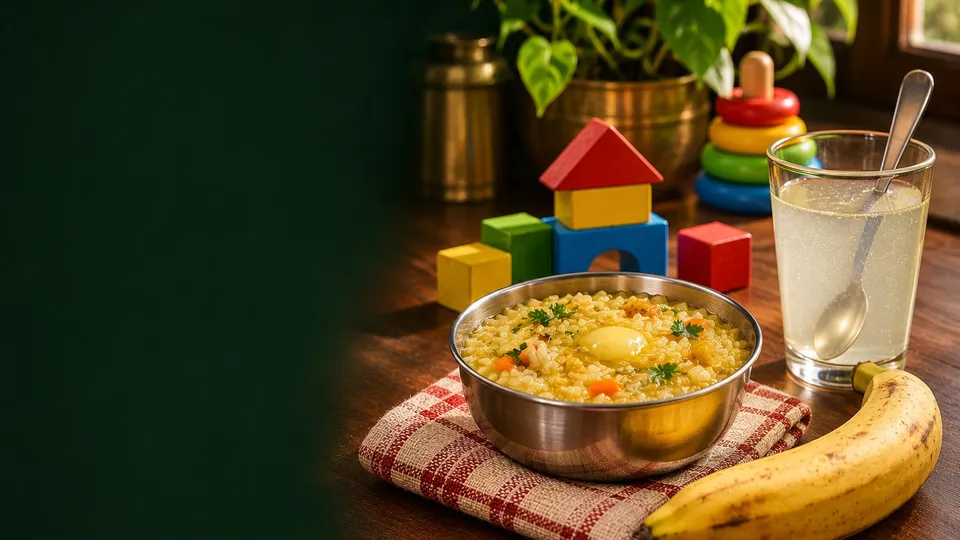 Cold and Cough in Kids: 3 Safe Home Remedies & Danger Signs
 Loose Motions in Children: How Much ORS, Zinc, Food & Danger Signs
